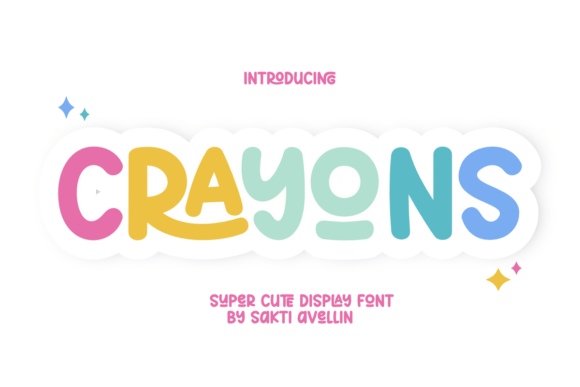
Crayons: The Handwritten Display Font for Whimsical Design
Imagine capturing the nostalgic joy of childhood artistry in a single, versatile typeface. The Crayons display font does exactly that, offering designers a beautifully crafted resource that mimics the organic, textured strokes of a crayon. This charming font is more than just a playful novelty; it's a powerful tool for adding warmth, personality, and a human touch to a wide array of creative projects. In an era where authenticity and emotional connection are paramount in branding and visual communication, Crayons provides a unique solution to stand out.
The Role of Whimsical Typography in Modern Design
Typography is a cornerstone of effective graphic design, directly influencing readability, mood, and brand perception. While sleek, minimalist sans-serifs dominate corporate spaces, display fonts like Crayons serve a crucial purpose. They inject emotion, break monotony, and create instant visual interest. This typeface excels in contexts where you need to convey friendliness, creativity, and approachability. Its handwritten crayon aesthetic taps into a sense of nostalgia and playfulness, making it particularly effective for audiences seeking genuine, heartfelt, or joyful experiences.
Practical Applications Across Creative Projects
The true strength of Crayons lies in its remarkable versatility. It seamlessly adapts to both digital and print design, enhancing numerous creative outputs:
- Branding and Logo Design: Ideal for brands targeting families, children, or creative niches. It can form the basis of a logo for a toy store, a children's book author, or a craft workshop, instantly communicating a brand's playful identity.
- Marketing and Social Media Graphics: Create eye-catching Instagram stories, Facebook ads, or promotional banners that feel personal and engaging. The font's texture helps graphics pop on crowded social feeds.
- Editorial and Packaging Design: Use it for chapter titles in lifestyle magazines, cookbook headings, or playful packaging for artisanal goods, cookies, or toys. It adds a handcrafted quality that resonates with consumers.
- Motion Graphics and UI Design: When used sparingly for highlights, buttons, or animated elements, it can add a delightful touch to website headers, app interfaces, or video title sequences, improving user engagement through visual surprise.
- Merchandise and Physical Products: This is where Crayons truly shines. Its design is perfectly suited for printing on t-shirts, tote bags, mugs, keychains, throw pillows, and framed art. The texture translates beautifully to physical substrates, creating tangible products with high perceived value.
Integrating Crayons into Your Design Workflow
To maximize the impact of a display font like Crayons, thoughtful integration is key. Consider these practical tips for your design projects:
- Prioritize Readability and Hierarchy: Due to its decorative nature, Crayons is best used for headlines, subheadings, or short phrases. Pair it with a clean, legible sans-serif or serif font for body copy to maintain a clear visual hierarchy and ensure your message is easily understood.
- Align with Brand Voice and Audience: Evaluate if the font's personality matches your project's goals. It’s perfect for a birthday card but may not suit a formal annual report. Understanding your audience's expectations is crucial for effective visual communication.
- Leverage Color and Composition: Crayons works wonderfully with bright, cheerful color palettes or soft, pastel schemes. Use whitespace effectively to let the font's detailed texture breathe and avoid visual clutter.
- Ensure Scalability and Compatibility: Test the font at various sizes to ensure legibility. Also, verify its licensing for your intended use, whether for digital products, print-on-demand merchandise, or client projects, to build a professional and legal design workflow.
Ultimately, selecting the right creative assets is a strategic decision that elevates your work. A font like Crayons